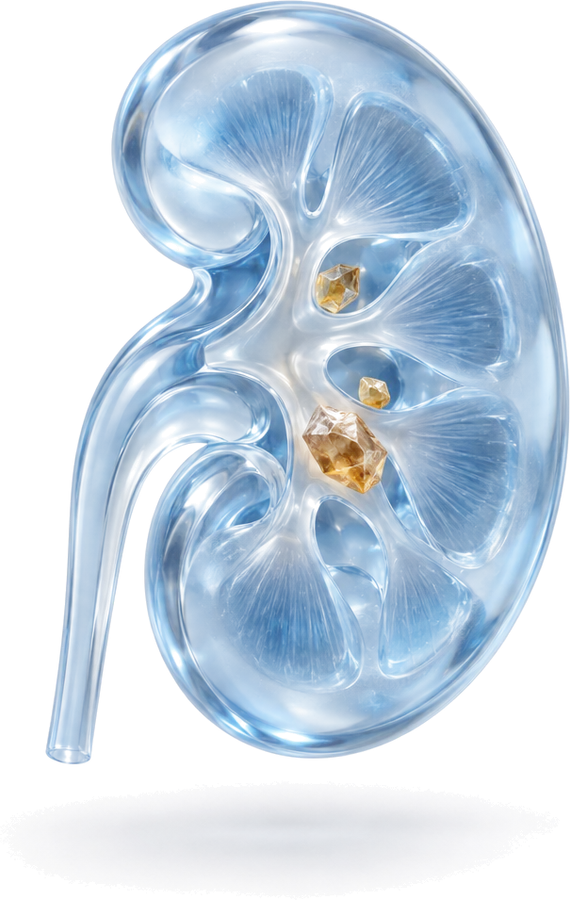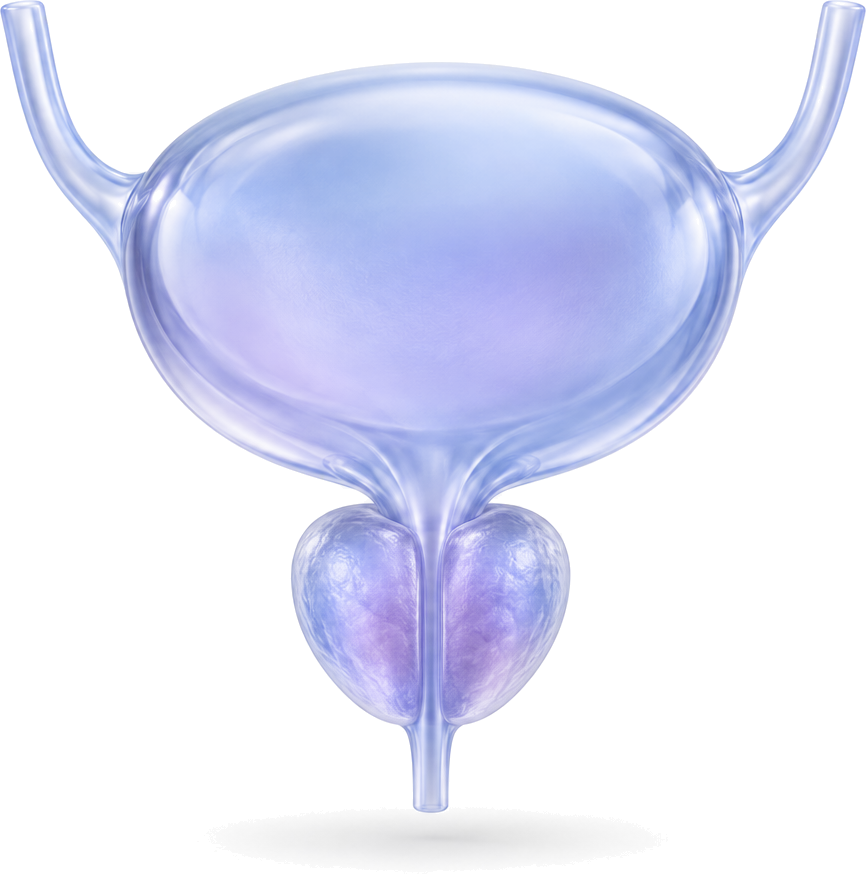
What is a urinary tract infection?
A urinary tract infection (UTI) occurs when bacteria settle in the normally sterile urinary tract and cause inflammation. The bacteria responsible are usually those found naturally in the bowel; they travel upwards through the urethra and cause infection. Because the urethra is short and close to the anus in women, infections are much more common in women.
Depending on where the infection is, there are two main pictures:
- Cystitis (bladder infection): An infection confined to the bladder, usually without fever.
- Pyelonephritis (kidney infection): The infection has reached the kidney; it causes fever and flank pain and is more serious.
Who is affected more often?
Urinary tract infections are very common in women, and many women have cystitis at least once in their lifetime. Sexual activity, contraceptive methods containing spermicide, falling oestrogen levels after the menopause, pregnancy, low fluid intake and constipation increase the risk. Diabetes, kidney stones, obstruction of the urinary tract, incomplete bladder emptying and long-term catheter use predispose both women and men to infection.
Cystitis in healthy, non-pregnant women is considered an uncomplicated infection. In men, pregnant women, children and people with a problem such as a stone, obstruction or catheter, infection is assessed more carefully.
Symptoms
Symptoms of cystitis
- Burning and pain when passing urine
- Frequent urination and a feeling of being unable to hold urine (urgency)
- Pain or pressure above the pubic bone
- Cloudy, foul-smelling or bloody urine
Symptoms of kidney infection
- High fever, chills and weakness
- Lower back or flank pain
- Nausea and vomiting
Situations in which you should see a doctor without delay: fever and chills, flank pain, being unable to keep fluids down because of vomiting, pregnancy, urinary tract infection symptoms in a man, an infection with fever in a child, and having diabetes or a condition that suppresses the immune system. Fever in a patient with a known kidney stone requires urgent assessment, as it may indicate a blocked, infected kidney.
How is it diagnosed?
In uncomplicated cystitis, the diagnosis is usually made from typical symptoms and a urine test. A urine culture with antibiotic sensitivity testing is requested in the following situations: suspected kidney infection, men, pregnant women, children, recurrent infections, failure to respond to treatment and atypical symptoms. The culture shows which bacteria are causing the infection and which antibiotics they are sensitive to.
In recurrent infections, in men and in kidney infection, a urinary tract ultrasound is used to look for kidney dilatation, stones and the amount of urine left in the bladder after voiding. In selected patients, additional tests such as CT or cystoscopy (examination of the bladder with a camera) may be carried out.
Why you should not take antibiotics on your own
It may be tempting to use an antibiotic left over at home or one that worked before, but this approach creates several problems. Antibiotic resistance among the bacteria that cause urinary tract infections is steadily increasing; the wrong antibiotic can suppress the infection and allow it to progress. Antibiotics started before a culture is taken also distort the results of later tests. Furthermore, symptoms such as burning and frequent urination are not always due to infection; stones, overactive bladder or other bladder conditions can cause similar symptoms.
Treatment
Treatment is decided individually after examination, according to the site of infection, the patient’s condition and, where needed, the culture result.
- Uncomplicated cystitis: A short course of antibiotics is usually sufficient. In most patients, symptoms settle within a few days.
- Kidney infection: A longer course of antibiotics is needed. Patients who are unwell, vomiting or have an obstruction may be treated in hospital with intravenous antibiotics. If the kidney is blocked by a stone or another cause, urine drainage is restored first with a stent or a thin tube placed into the kidney.
- Infection in men: Treatment is usually longer than in women, and whether the prostate is involved is assessed.
The antibiotic course should be completed for the length of time the doctor recommends, even if symptoms have gone. Drinking plenty of fluids during treatment can ease symptoms. If there is no improvement or fever persists within 2–3 days despite appropriate treatment, the culture result and the kidneys need to be reassessed.
Urinary tract infections in pregnancy and in children
Because of changes in the urinary tract during pregnancy, infection can spread to the kidney more easily. For this reason, bacteria found in the urine of pregnant women require treatment even without symptoms, and the antibiotic is chosen from those that are safe in pregnancy. In children, a urinary tract infection may sometimes show itself only through fever, irritability or feeding difficulties. In children who have had an infection with fever, the possibility of a congenital urinary tract problem is investigated.
Recurrent urinary tract infections in women
Having 2 or more infections within 6 months, or 3 or more within a year, is defined as recurrent urinary tract infection. In these patients, it is important to confirm the diagnosis with a culture and to look for correctable causes such as stones or urine remaining in the bladder with ultrasound.
Preventive recommendations include:
- Drinking enough fluid throughout the day and not holding urine for long periods.
- Treating constipation.
- After the menopause, using vaginal oestrogen in suitable patients on medical advice.
- In patients the doctor considers suitable, using non-antibiotic preventive methods (for example an oral vaccine containing bacterial extracts, or certain supplements).
- In patients who do not benefit sufficiently from other methods, low-dose preventive antibiotic treatment under medical supervision.
Urinary tract infections in men and the prostate
Urinary tract infections are less common in men and usually point to an underlying cause. Incomplete bladder emptying due to an enlarged prostate, kidney or bladder stones and urethral stricture are among the main causes. The infection can also involve the prostate (prostatitis); fever, pain in the groin and around the back passage, and difficulty passing urine suggest this condition, which requires longer treatment.
Underlying causes
In recurrent infections or infections that do not respond to treatment, the following are investigated:
- Kidney stones and bladder stones: a stone can be a focus where bacteria hide.
- Obstruction or narrowing of the urinary tract
- Urine remaining in the bladder after voiding
- Diabetes
- Long-term catheter use
- Congenital anomalies in children such as vesicoureteral reflux (see the pediatric urology page for details)
UTI assessment in Bursa, Turkey
Op. Dr. Mücahit Kabar graduated from Uludağ University Faculty of Medicine and completed his urology residency at the Urology Clinic of Ankara Training and Research Hospital. In Bursa (Nilüfer), he sees patients with recurrent urinary tract infections, prostatitis and underlying causes such as infection-related stones at Özel Medicabil Nilüfer Hastanesi (weekdays 08:30–12:00) and Özel Jimer Hastanesi (weekdays 13:00–17:00).
Consultations are held in English or Turkish. The hospitals’ international patient departments can arrange interpreters for other languages and help with airport transfers and accommodation. Patients living abroad or visiting Turkey can book an appointment in advance through the online booking page or appointment line of Özel Medicabil Nilüfer Hastanesi (weekdays 08:30–12:00, +90 444 8 112) or Özel Jimer Hastanesi (weekdays 13:00–17:00, +90 444 45 67), and share previous urine cultures and reports beforehand via WhatsApp (+90 541 622 54 82). More information is available on the international patients page and the contact page.