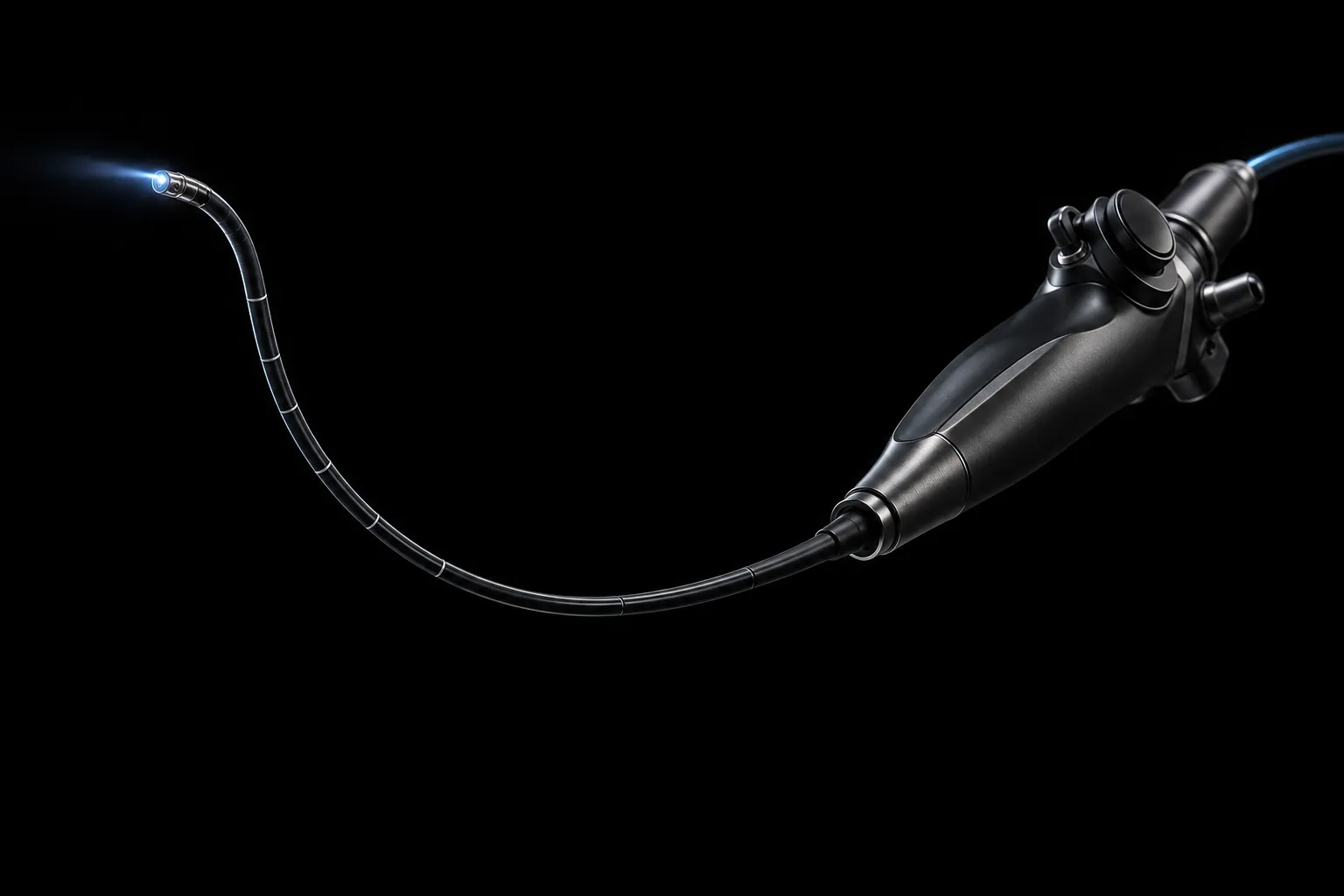
Kidney and Ureteral Stones
Individual treatment with ESWL, RIRS, URS and PCNL, depending on the size and position of the stone.
From kidney stones to the prostate, from urological cancers to men’s health. A clear, transparent process at every step, from the first consultation to surgery, in English or Turkish.

Decisions on diagnosis and treatment are made individually for each patient, in line with the current guidelines of the European Association of Urology (EAU).
Consultation, diagnosis and surgical treatment across all core areas of urology.
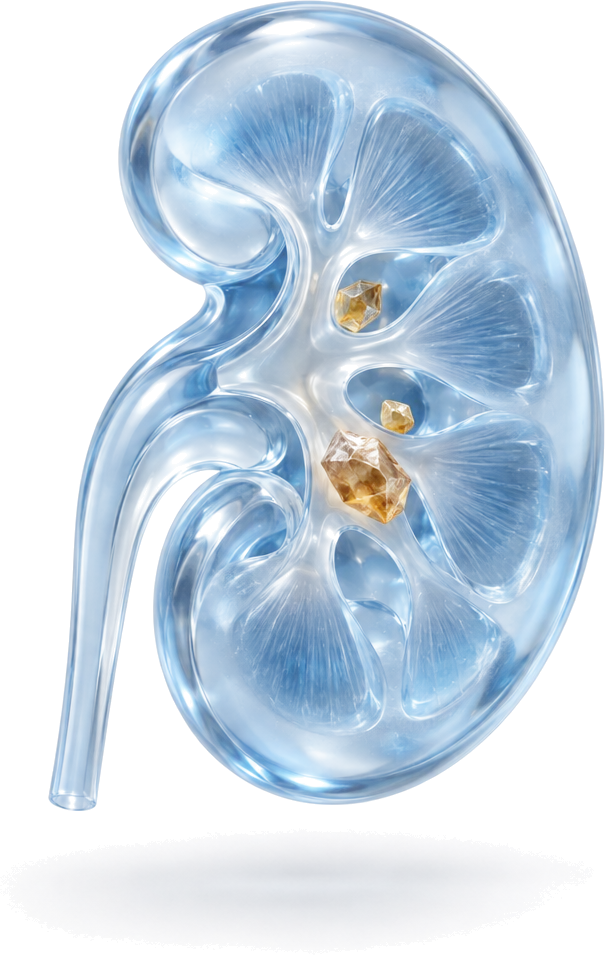
Individual treatment with ESWL, RIRS, URS and PCNL, depending on the size and position of the stone.
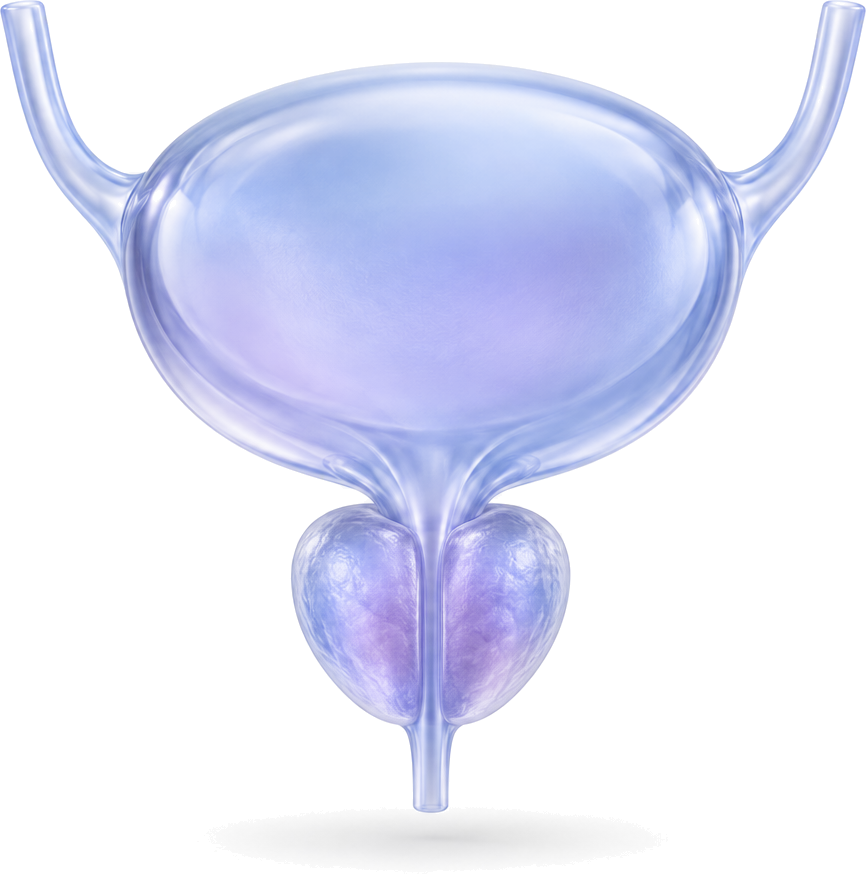
Medication and surgical options for an enlarged prostate, and assessment of a raised PSA.
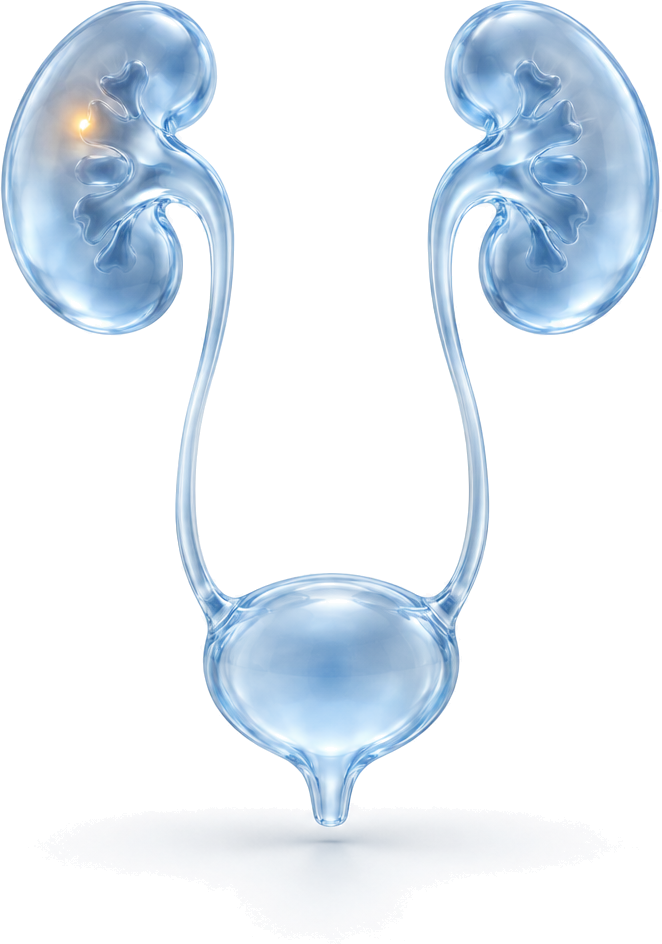
Diagnosis, surgical treatment and follow-up of prostate, bladder, kidney, testicular and adrenal tumours.
Erectile dysfunction, premature ejaculation, varicocele, infertility, penile prosthesis and Peyronie’s disease.

Urinary incontinence, infections, urethral stricture, cystoscopy and laparoscopic surgery.

Undescended testicle, hypospadias, circumcision, bedwetting and reflux.

For patients travelling from Europe and elsewhere, the consultation and treatment are planned in advance, in English or Turkish.
See how it works
Kidney and ureteral stones
In suitable patients, stones are treated without any skin incision: either with shock waves from outside the body, or with a laser through thin endoscopes passed along the urinary tract.
An outpatient procedure that usually requires no anaesthesia.
RIRSA flexible endoscope reaches the kidney and the stone is turned to dust with a laser.
URSStones in the ureter are broken up endoscopically, without an incision.
PCNLTreatment of stones larger than 2 cm through a channel of about 1 cm.
Individual treatment with medication, ESWL, RIRS, URS or PCNL, depending on the size, location and hardness of the stone.
Kidney and Ureteral Stones Breaking up a kidney stone with a laser through a flexible endoscope passed along the urinary tract, without any incision in the skin.
Kidney and Ureteral Stones Breaking up and removing kidney stones larger than 2 cm and staghorn stones through a small channel made in the flank.
Prostate Conditions Medication and minimally invasive surgical options for benign prostate enlargement causing frequent urination, waking at night to pass urine and a weak urine stream.
Urological Cancers Early diagnosis with PSA, multiparametric MRI and targeted biopsy; active surveillance, radical prostatectomy, radiotherapy and hormone therapy options.
Urological Cancers Assessment of painless blood in the urine, diagnosis with cystoscopy and TURBT, intravesical drug treatment and, when needed, radical surgery.
Urological Cancers Assessment of incidentally detected kidney masses; kidney-sparing surgery in suitable patients, radical nephrectomy, surveillance or ablation.
Andrology and Men’s Health Investigating the underlying cause of erectile dysfunction; lifestyle changes, medication and, in selected patients, shock wave therapy, penile injections and penile prosthesis.
Andrology and Men’s Health Identifying the type of premature ejaculation and its underlying causes; behavioural techniques, medication under medical supervision and a couple-focused approach.
Andrology and Men’s Health Assessment of enlarged testicular veins with examination and Doppler ultrasound; microsurgical varicocelectomy in suitable patients.
Andrology and Men’s Health Investigating the cause with semen analysis, hormone and genetic tests; individual treatment with lifestyle changes, medication, varicocele surgery or sperm retrieval.
General Urology Individual treatment of stress, urge, mixed and overflow incontinence with exercises, bladder training, medication, botulinum toxin injections or surgery, depending on the type.
General Urology Distinguishing cystitis from kidney infection, treatment guided by urine culture and investigation of the underlying cause in recurrent infections.
Paediatric Urology Assessment and treatment of childhood urological problems such as undescended testis, hypospadias, phimosis, circumcision, bedwetting, vesicoureteral reflux and testicular torsion.
Andrology and Men’s Health A permanent solution option for erectile dysfunction that does not respond to tablets or injections, using an implant placed inside the penis.
Andrology and Men’s Health For curvature caused by a plaque in the lining of the penis, observation, traction devices, injections into the plaque or surgery, depending on the phase of the disease.
Urological Cancers A painless lump or swelling in the testis in young men; ultrasound, tumour markers, radical orchiectomy through the groin and, depending on the stage, surveillance or further treatment.
Urological Cancers Assessment of adrenal masses with hormone tests and imaging; laparoscopic (keyhole) adrenalectomy where needed.
Andrology and Men’s Health Ultrasound diagnosis of scrotal swelling caused by fluid around the testis; mostly observation in babies, hydrocele surgery when needed.
Andrology and Men’s Health A permanent method of contraception for men who do not plan to have children, in which the sperm ducts are sealed under local anaesthetic.
General Urology Individual treatment of narrowing of the urethra with dilatation, internal urethrotomy or urethroplasty, depending on the location and length of the stricture.
General Urology Individual treatment of a narrowing where the renal pelvis joins the ureter, with observation or laparoscopic pyeloplasty.
General Urology Kidney, adrenal, prostate and urinary tract operations performed in suitable patients through small openings with the help of a camera.
General Urology Examination of the urethra and bladder from the inside with a thin camera, with a biopsy in the same session if needed.
General Urology Diagnosis of HPV-related genital warts by examination; individual treatment with creams, freezing, cautery or surgical removal.
Paediatric Urology Circumcision for medical or religious-cultural reasons, performed by a doctor under sterile conditions after a prior examination of the penis.
Through national and international urological associations, he keeps up closely with current scientific developments.

About
Op. Dr. Mücahit Kabar graduated from Uludağ University Faculty of Medicine in 2009. He completed his urology residency at Ankara Training and Research Hospital between 2010 and 2015.
He has explained urological conditions on regional and national Turkish television programmes.


Mornings at Özel Medicabil Nilüfer Hastanesi, afternoons at Özel Jimer Hastanesi.
Send a WhatsApp message in English or Turkish, or call the hospital’s appointment line.
After the examination and any necessary tests, the treatment options are discussed with you.
Mornings or afternoons, at a time that suits you.
 08:30–12:00weekday consultations
 13:00–17:00weekday consultations
Op. Dr. Mücahit Kabar sees patients at two hospitals in Nilüfer, Bursa, Turkey: on weekdays from 08:30 to 12:00 at Özel Medicabil Nilüfer Hastanesi (Fethiye Mah., Mudanya Yolu, Küre Sk. No:1; appointments: +90 444 8 112), and from 13:00 to 17:00 at Özel Jimer Hastanesi (Odunluk Mah., Mihraplı Cad. No:6; appointments: +90 444 45 67).
The easiest way from abroad is to send a WhatsApp message in English or Turkish to +90 541 622 54 82. You can also book through the appointment line of your preferred hospital: Özel Medicabil Nilüfer Hastanesi (+90 444 8 112) for morning consultations, or Özel Jimer Hastanesi (+90 444 45 67) for afternoon consultations.
Yes. For patients coming from Europe and other countries, the appointment, consultation and any treatment can be planned in advance. You can share your existing test results and reports via WhatsApp to receive preliminary information and plan your trip accordingly. The final treatment decision is made after the examination.
Urology covers conditions of the kidneys, ureters, bladder, prostate, testicles and penis. This includes kidney stones, an enlarged prostate, urinary tract infections, urinary incontinence, erectile dysfunction, male infertility, varicocele, undescended testicles and hypospadias in children, as well as kidney, bladder, prostate and testicular cancer.
Blood in the urine, pain spreading from the flank to the groin, frequent or difficult urination, urinary incontinence, recurrent urinary tract infections, a raised PSA, swelling or a lump in the testicle, and erectile problems all call for a urological assessment. Sudden, severe testicular pain is an emergency because it may be testicular torsion: go to the nearest emergency department without delay.
Bringing your previous blood and urine test results, ultrasound, CT or MRI reports (with the images if possible), a list of your medications and any previous surgical reports helps speed up the assessment. Reports in English are helpful. As a urine test may be done, it is useful not to empty your bladder completely just before the consultation.
For appointments and information, send a WhatsApp message (+90 541 622 54 82) in English or Turkish, or call the hospitals’ appointment lines.